


boiler house
Berlin, 2026
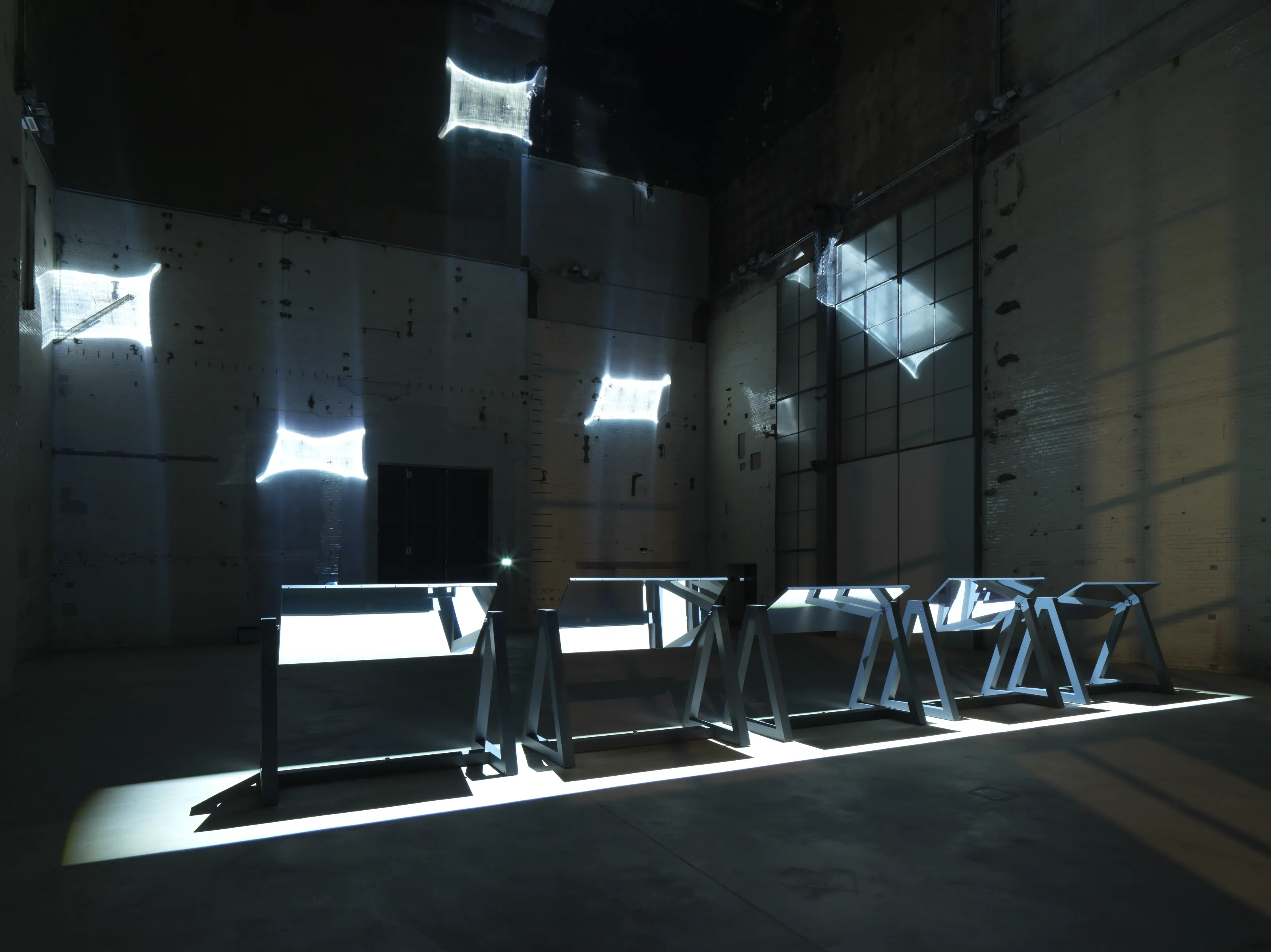
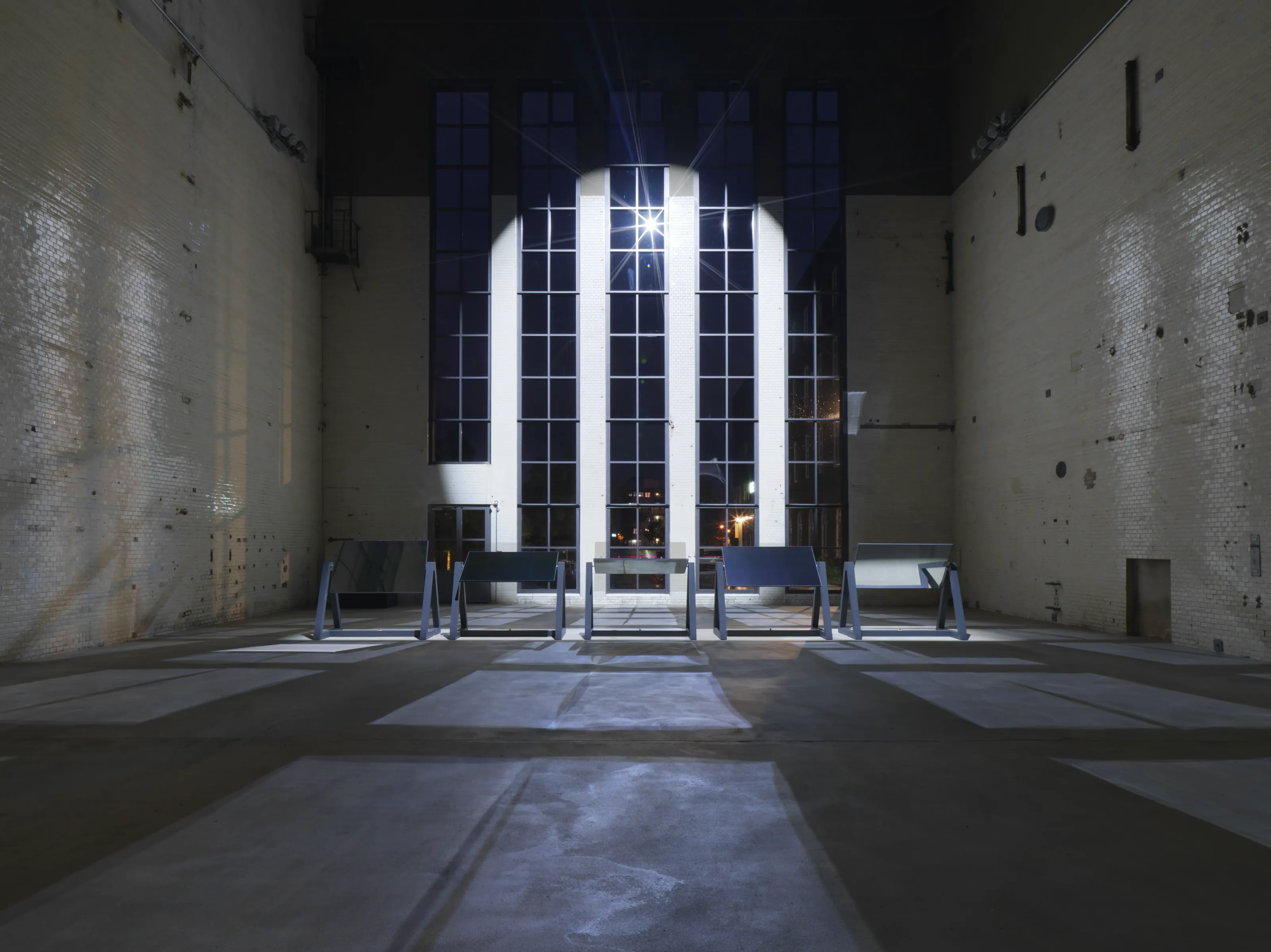
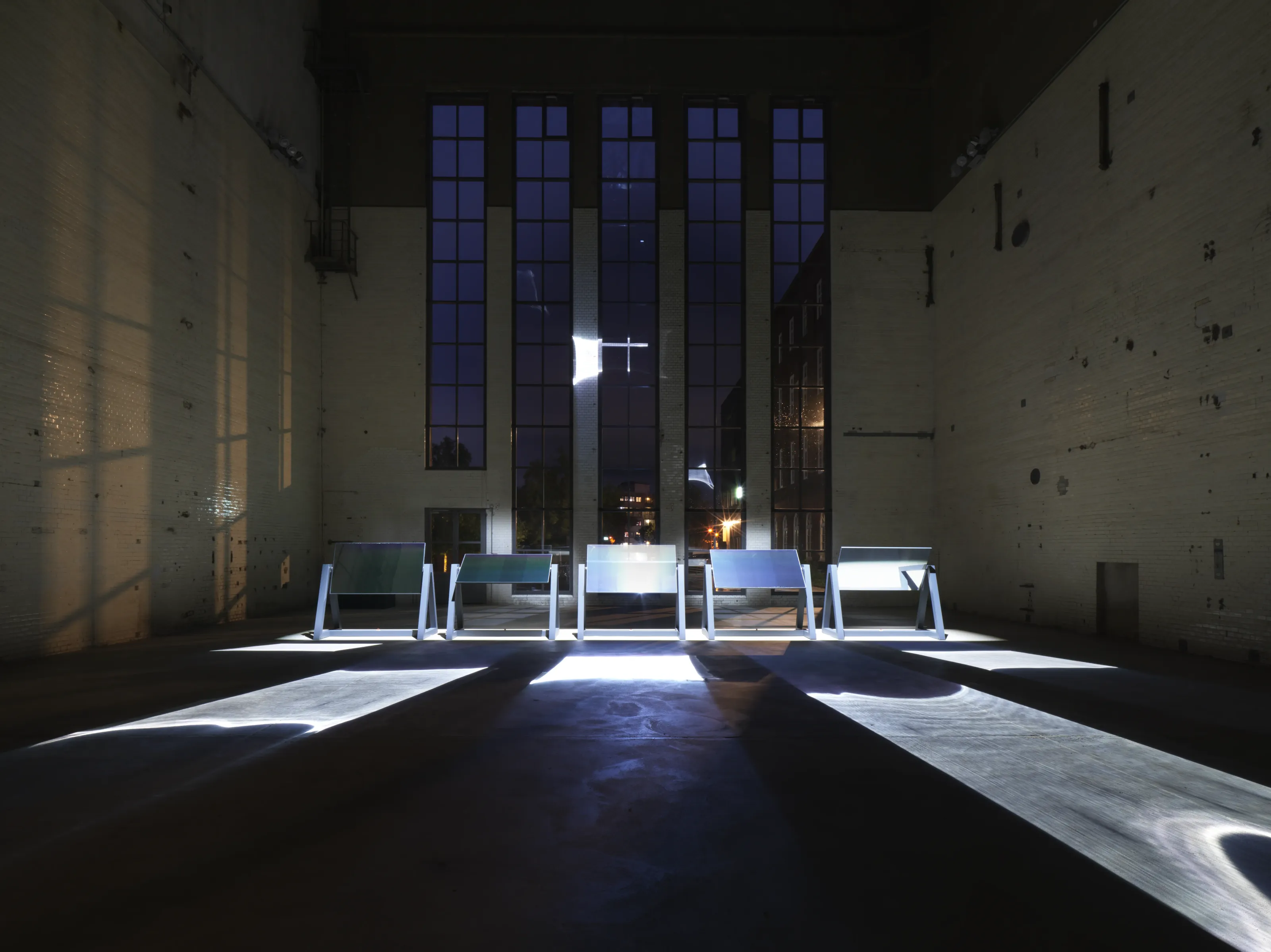
The exhibition space, the Kesselhaus in the former Kindl Brewery, presents itself to visitors as a radically emptied boiler house. No machines, no boilers, and no technical equipment hint at its former function. The boiler house treats this absence not as a deficit, but as material. The space itself becomes the exhibit: a volume that contains history without being able to display it.
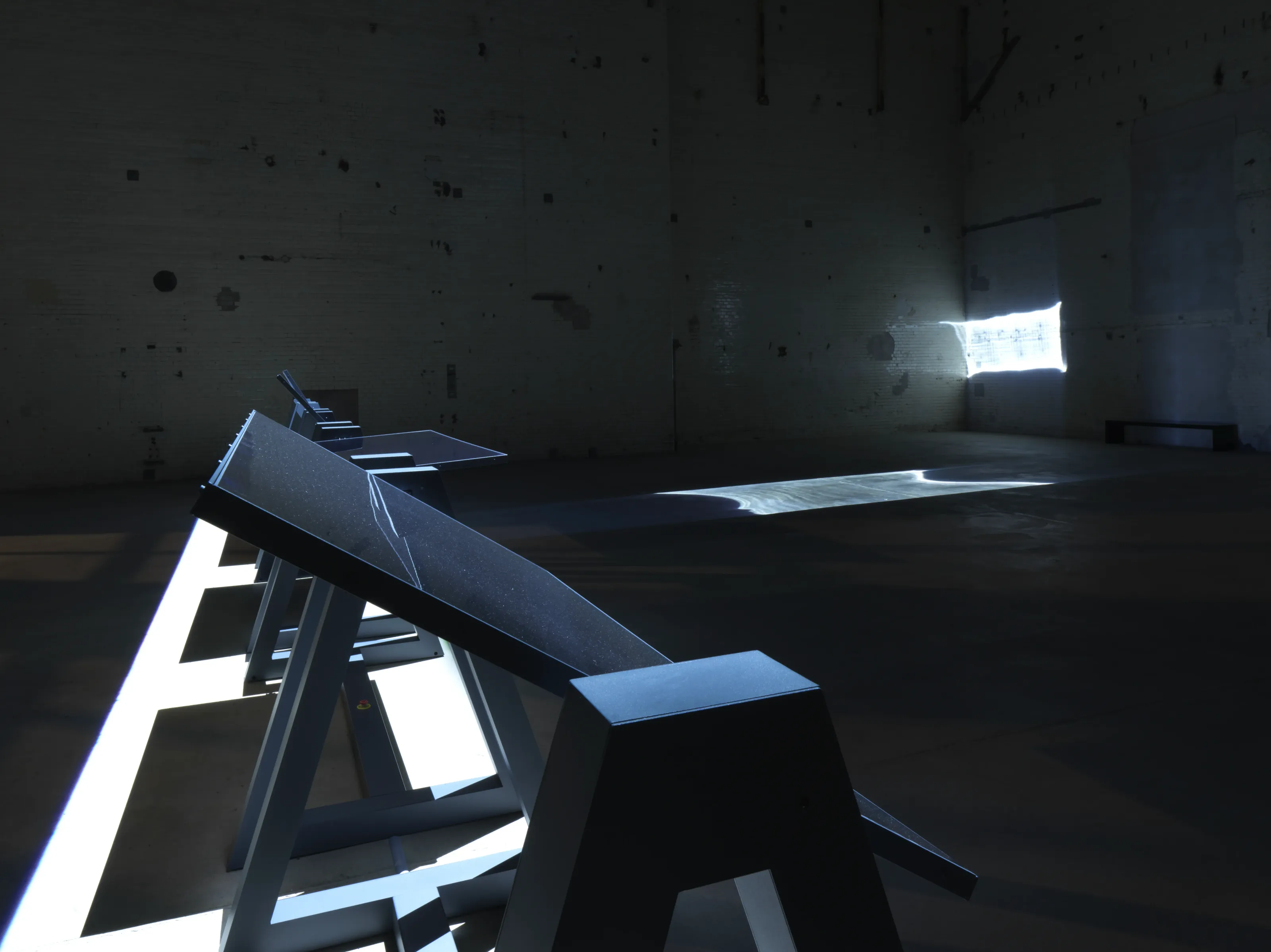
At the center is a system of rotating mirrors that explore the emptiness of the space at varying speeds. The mirrors are not reflections of lost machinery, but contemporary machines of perception. Slow rotation expands the space; fast rotation breaks it down into fleeting fragments. Visitors experience a boiler house that comes into being solely through the movement of reflection: as an optical vortex, as a boiler without heat but full of visual energy. The mirrors teach the space to look at itself and reveal that emptiness is not a state but a dynamic process.
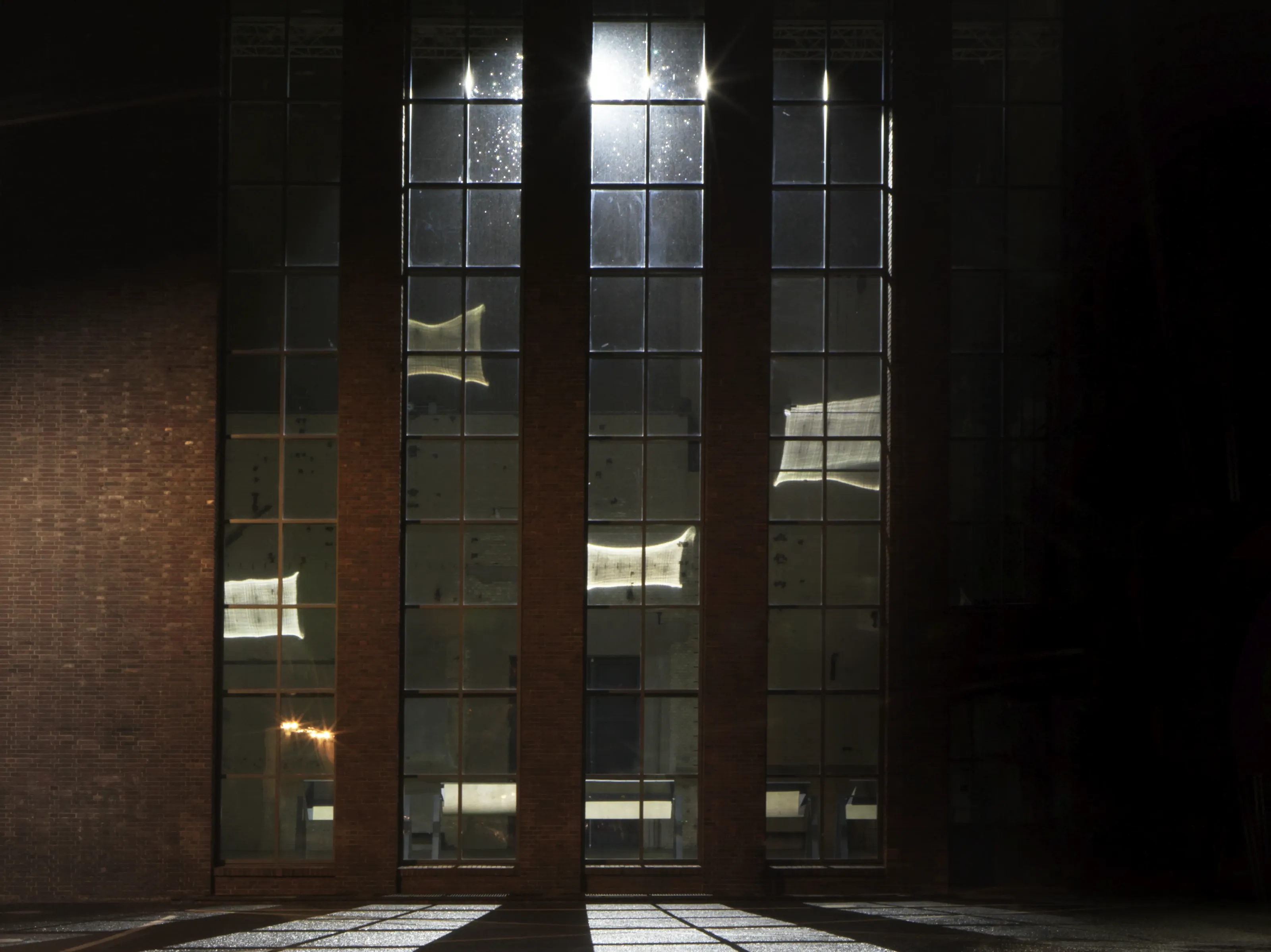
At the same time, the “boiler house” project works with a single light source. This light is captured by the mirrors and projected from the inside out through the open windows into the urban space of Neukölln. The former boiler house thus becomes a transmitter. What appears inside as a fragile architecture of reflection becomes a public light sculpture outside—a membrane between the institution and the neighborhood. The exhibition does not end at the walls, but inscribes itself as a temporary testament on facades, trees, and the passing figures on the street.
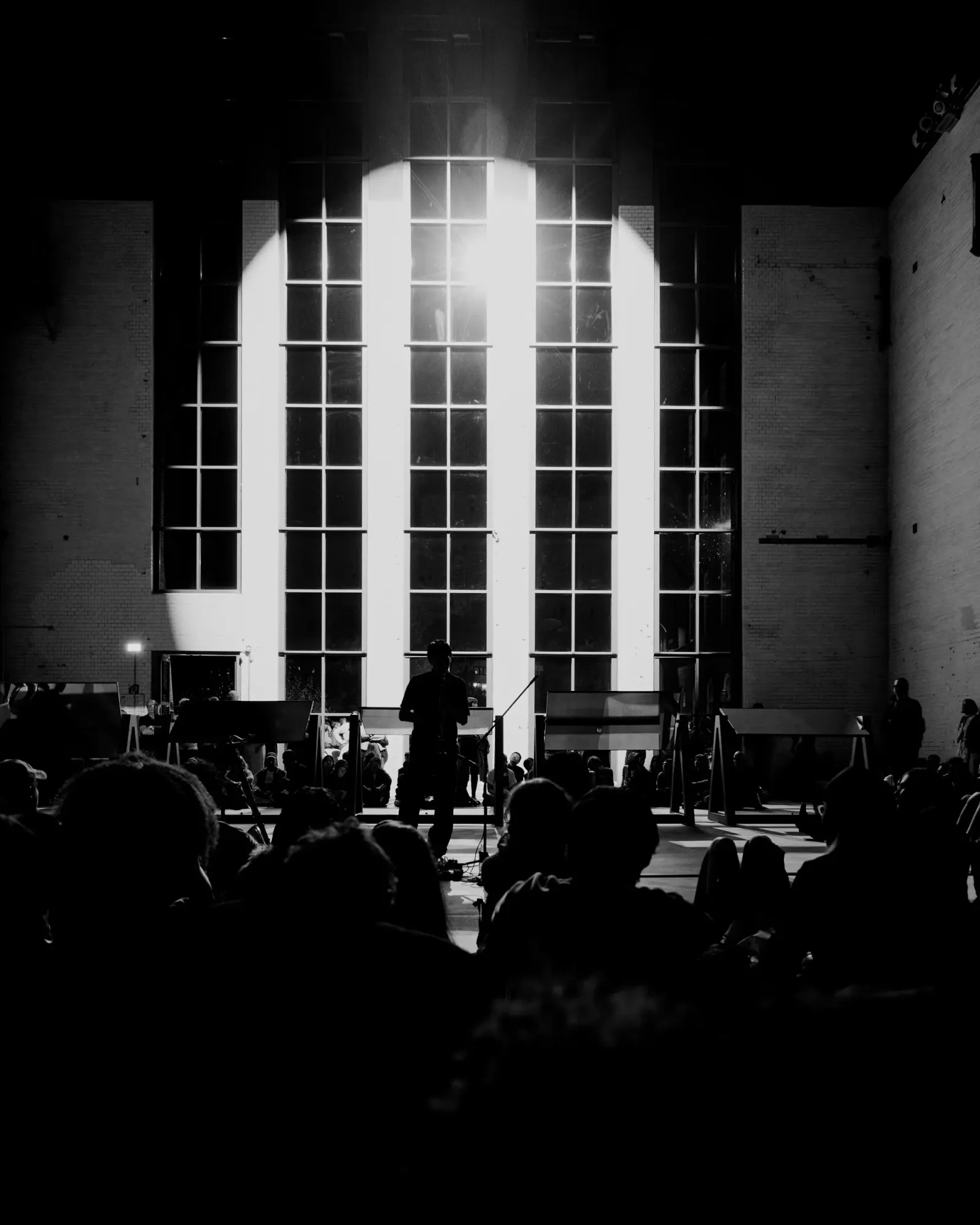
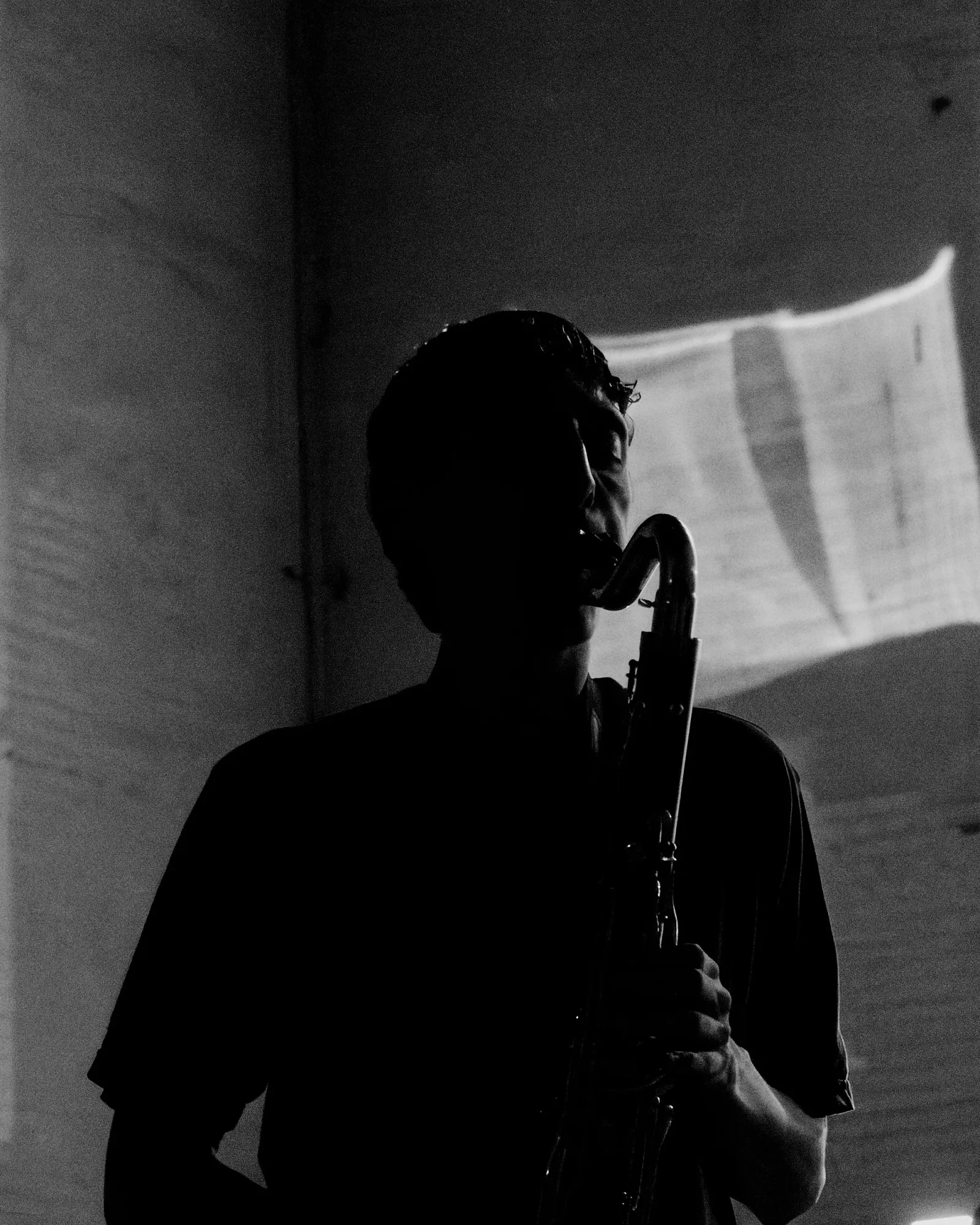
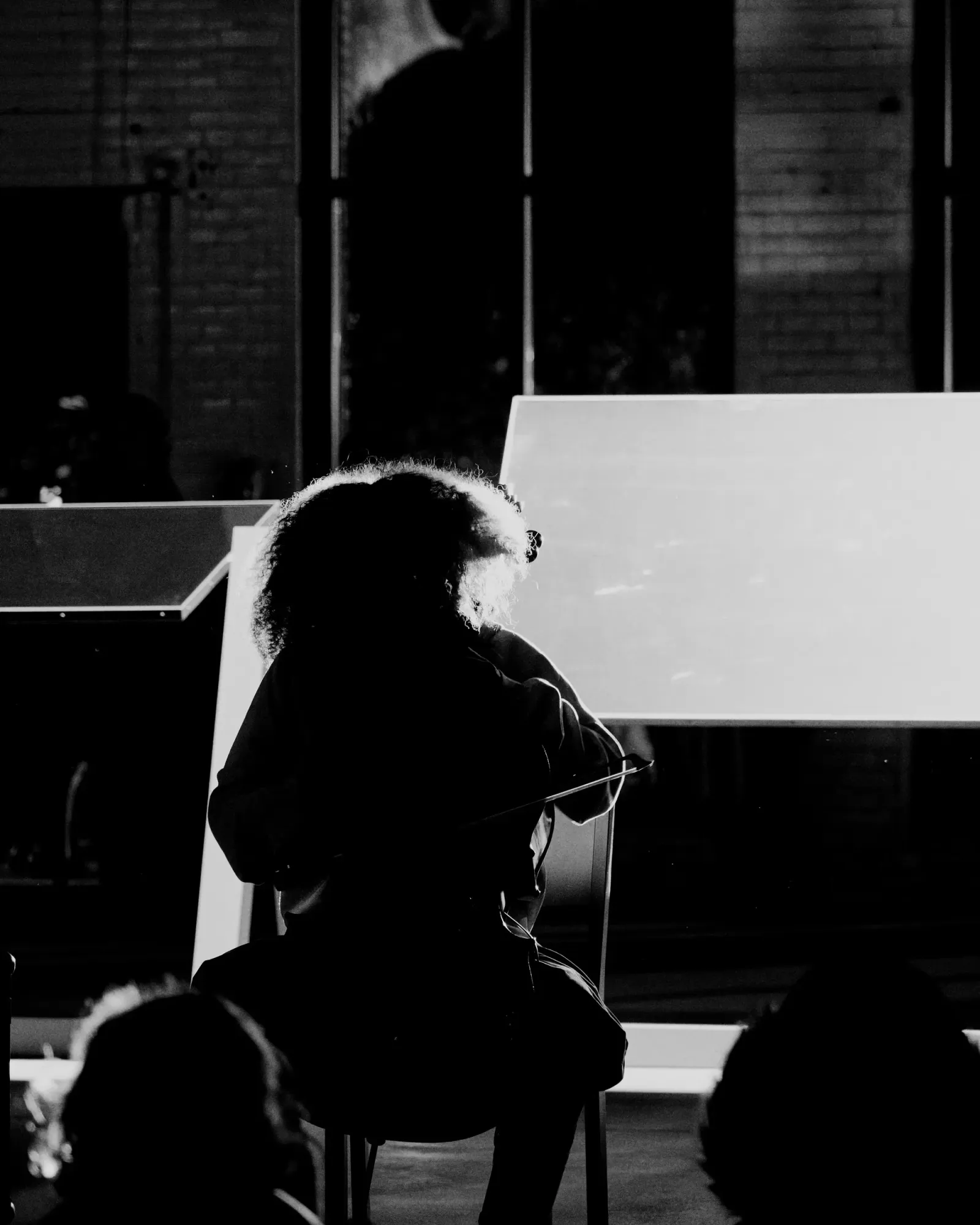
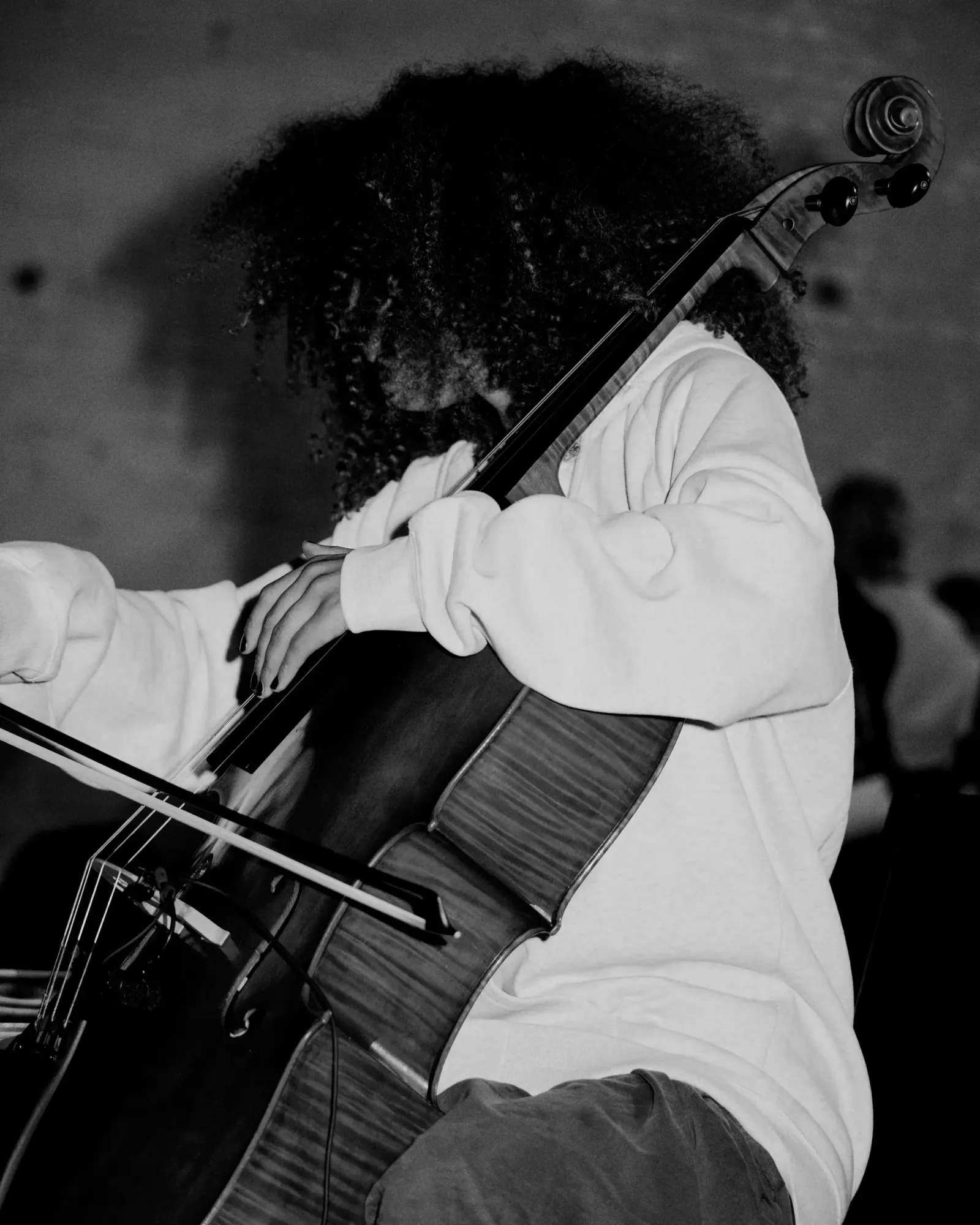
Sound performances by Abi Asisa and Severin Black bring this situation to life and translate the (post-)industrial concept of energy into frequencies. The deep, variably structured rhythms interact with the rotating mirrors and modulate the perception of their speeds.
boiler house conceives of the boiler house as a space within a space: a layering of the brewery’s history and its current use as an art space. The rotating mirrors, along with the windows and skylight, create a cycle between interior and exterior, between individual perception and the collective urban fabric. “Testimony” here signifies transmission. The space speaks not through relics, but through contemporary practices—through speed, frequency, and light—and through the viewers’ own movements.
In this way, the empty boiler house of the Kindl Brewery becomes an experimental setup for Neukölln: a transmitter of the space’s emptiness, demonstrating that history remains potent even without objects—boiler house—as reflection, as sound, as the movement of the many in a polis.
Discourse Program and Performances
- September 12, 8:00 p.m.
Live set by Severin Black featuring clarinet and electronic music - September 12, 9:00 p.m.
Live set by Abi Asisa featuring cello and electronic music
Free admission
Supported by Carhartt WIP
Carhartt WIPP x Mischa Kuball
Abi Asisa
Carhartt WIPP x Mischa Kuball
Abi Asisa
Carhartt WIPP x Mischa Kuball
Severin Black
Carhartt WIPP x Mischa Kuball
Severin Black